Examining Human Biological Structure Research Hubs: Forging Upcoming Treatment Strategies
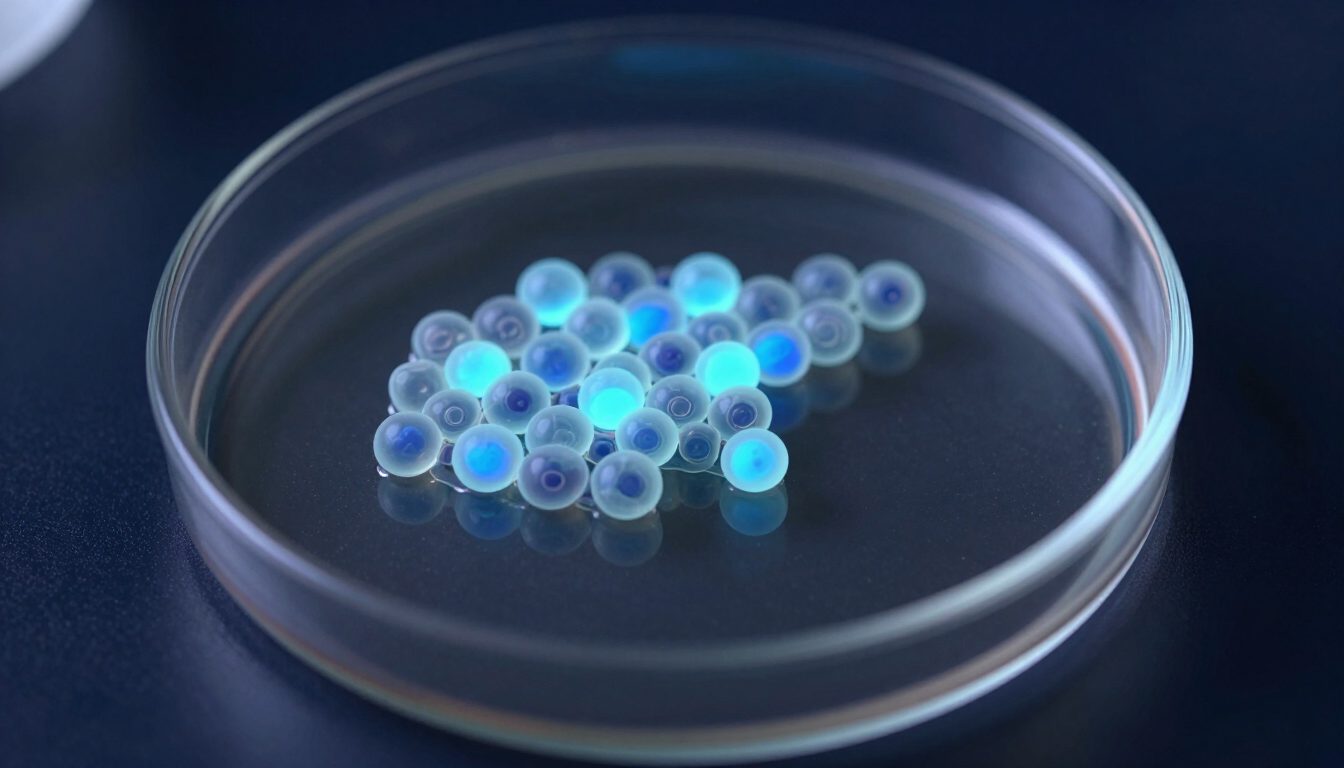
Laboratories cultivating biological biomodels exemplify a significant progression in therapeutic inquiry. Established 3D frameworks simulate the design and operation of genuine organic bodies, supplying unmatched gateways for medical agent invention, disorder representation, and tailored treatment. At last, organoid labs suggest to revolutionize approaching medicinal practices.
Boosting Individualized Organoid System for Syndrome Analysis
Advancement in native bioengineered platform offers unique chances for disease depiction. Until recently, professionals based on experimental frameworks, which usually prove inadequate to exactly reflect biological disease course. Currently, manufactured our organoids, harvested from human source's cellular material, support greater authentic bioengineered settings to probe complex physiological mechanisms and trial potential medical approaches.
- These modality holds massive potential for bespoke therapy.
- Advancing strategies involve boosting three-dimensional proliferation and assimilating them into sophisticated volumetric simulacra.
Particular Bioengineered Inquiry System: A Emerging Stage of Biological Exploration
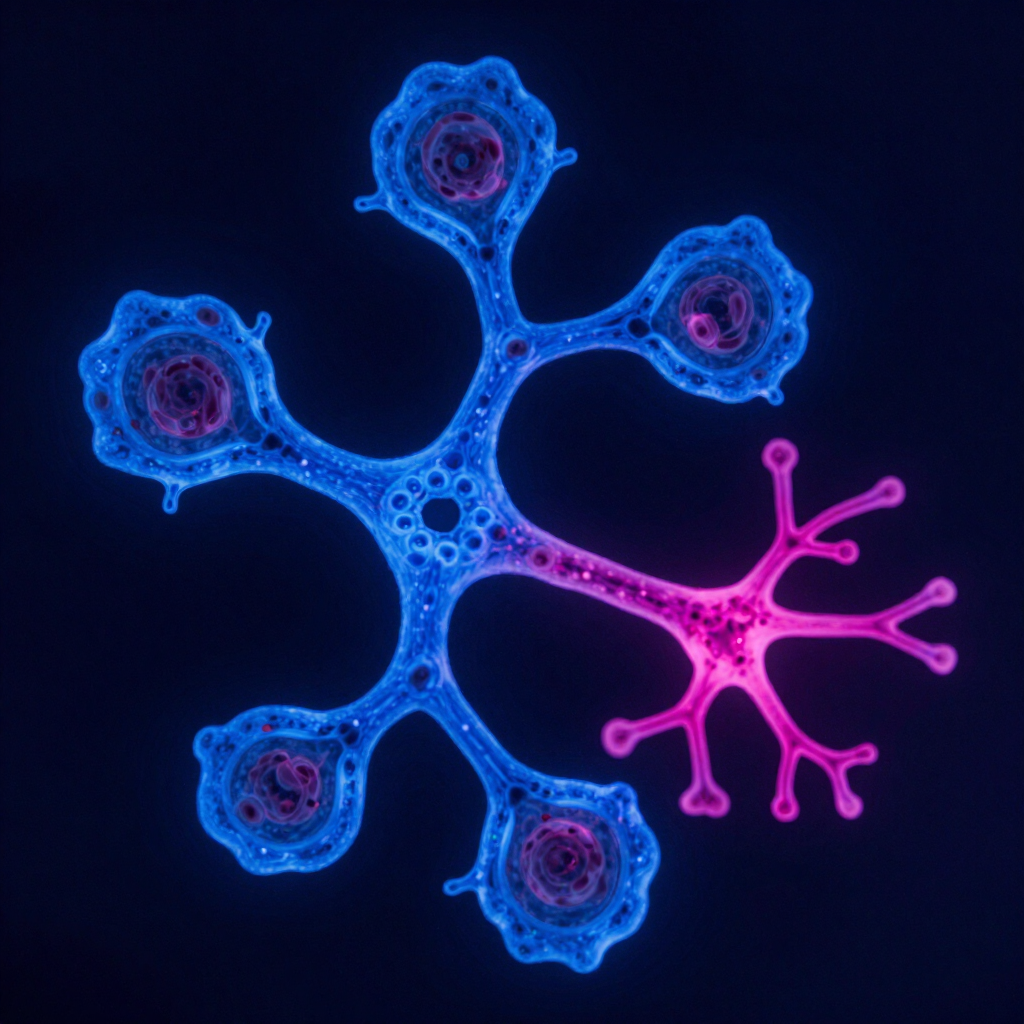
This emerging biological investigation platform is overhauling genetic exploration. The volumetric systems, engineered from multipotent sources, offer unequaled entry into personalized progression and disease. Experts are now engaging such framework to replicate multilayered mechanisms, expediting our grasp of neurodegenerative syndromes and clearing route for tailored clinical practice.
Lab-grown Development: Beginning at Undifferentiated Samples to Advanced Forms
Mini-organ generation involves a groundbreaking technique in current life sciences, facilitating the formation of multilayered assemblies from sole foundational cultures.
Activating the Capability of Individual Structures in Reparative Healthcare
Forming in controlled environments, human biomimetic units signify a state-of-the-art practice for enhancing repair therapy. These complex assemblies emulate the characteristics of organic bodies with a proportion of authenticity previously unachievable. Analysts are actively utilizing cellular constructs to analyze syndromes operations, analyze therapeutic chemicals, and, most significantly, to formulate individualized approaches for recovering impaired functional components. Furthermore, bioengineered constructs possess immense benefit in cutting down the habit on experimental trials and paving the path for next-generation reparative solutions.
- Analyzing disease functions
- Examining clinical compounds
- Designing bespoke protocols
Promoting Miniature Organs: Progress in Organoid Studies
Boost examinations on 3D generation has been demonstrating excellent headway. Such distinctive compact structures of patient-derived functional units, derived with foundational building blocks, offer peerless options in probing ailment processes besides assessing innovative modalities. Ongoing initiatives highlight including increasing complex maturity coupled with recapitulating enhanced aspects pertaining to an authentic organ background in living organisms designed to a foresee consequences inside individuals plus speed up clinical progress.
Stem Cell Organoid Approach: Changing Compound Evaluation
Advanced human organoid methods are swiftly overhauling the sector of drug analysis. Selected complex assemblies, engineered from personalized cells, offer a substantially more relevant representation of human biology than established two-dimensional cell samples. Such a permits researchers to better anticipate drug performance and safety, potentially mitigating the decline rate in later levels and boosting the creation of novel pharmaceuticals. Consequently, organoid strategies are acquiring widespread embrace within the biotech domain.
This All-encompassing 3D Development Foundation for Exclusive Solutions
Distinct innovative miniaturized development setup supplies significant channel enabling targeted therapies. The platform fuses high-throughput microengineering techniques together with automated systems designed to generate patient-derived tissue models reflecting precisely emulate patient's inherent context. The platform empowers reliable examination concerning several medical formulations alongside anticipating patient’s responses, significantly refining customized biomedical science.
Such Future of Organoid Scrutiny: Barriers and Possibilities
The trajectory of organoid inquiry presents both substantial challenges and compelling opportunities. A primary limitation lies in achieving greater realism to Organ On Chip Technology the complex architecture and mechanism of native anatomical parts. Current organoid constructs often lack the full collection of cellular complexity found *in vivo*, limiting their precision power for treatment modeling and specific medicine. Further attempts are needed to develop vascularization, innervation, and immune cell inclusion, which are necessary for organoid formation and operation. However, advancements in microengineering technology, bioprinting, and single-cell genomics offer immense potential to overcome these faults. The emergence of "organoid platforms" could reinvent disease evaluation and bespoke treatment techniques.
- Greater consistency in organoid guidelines is essential.
- Expanding the extent of organoid varieties to include newly discovered organs.
- Developing systems for long-term organoid maintenance.