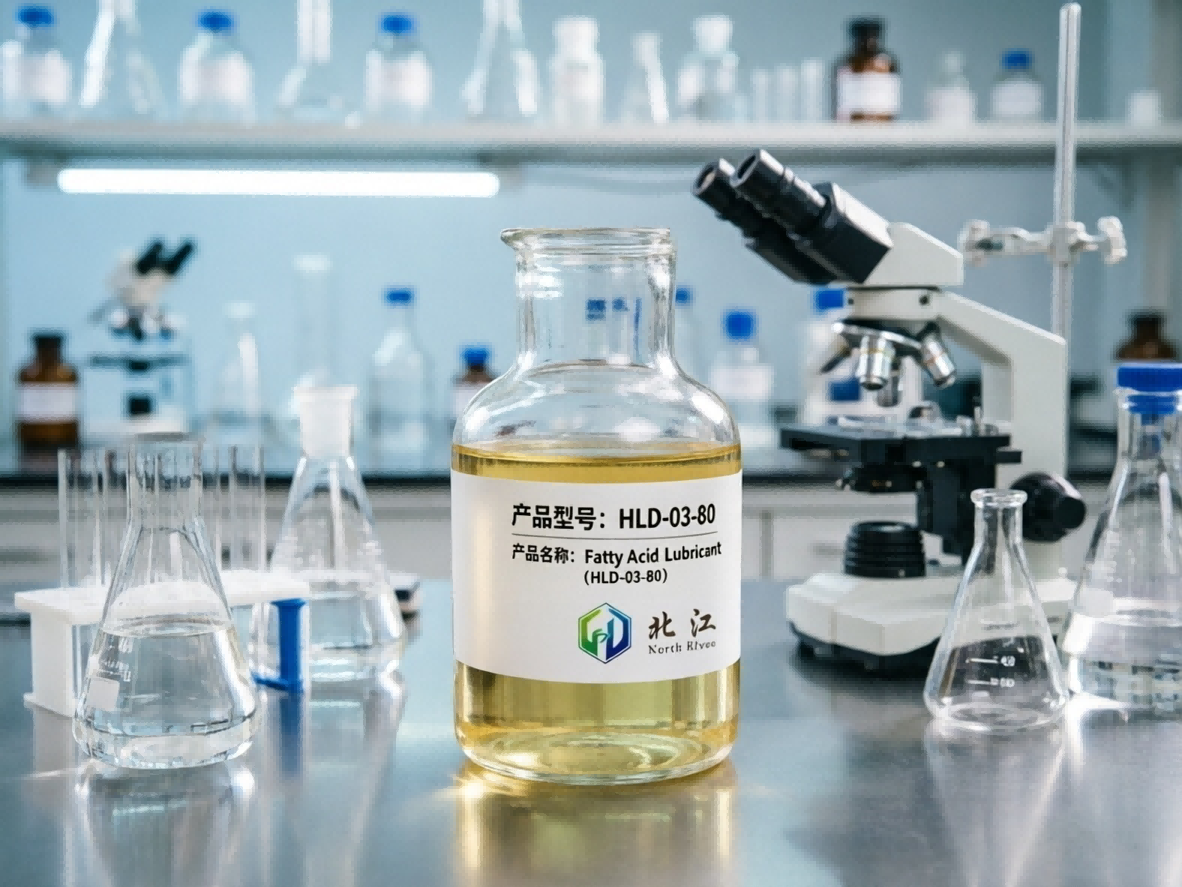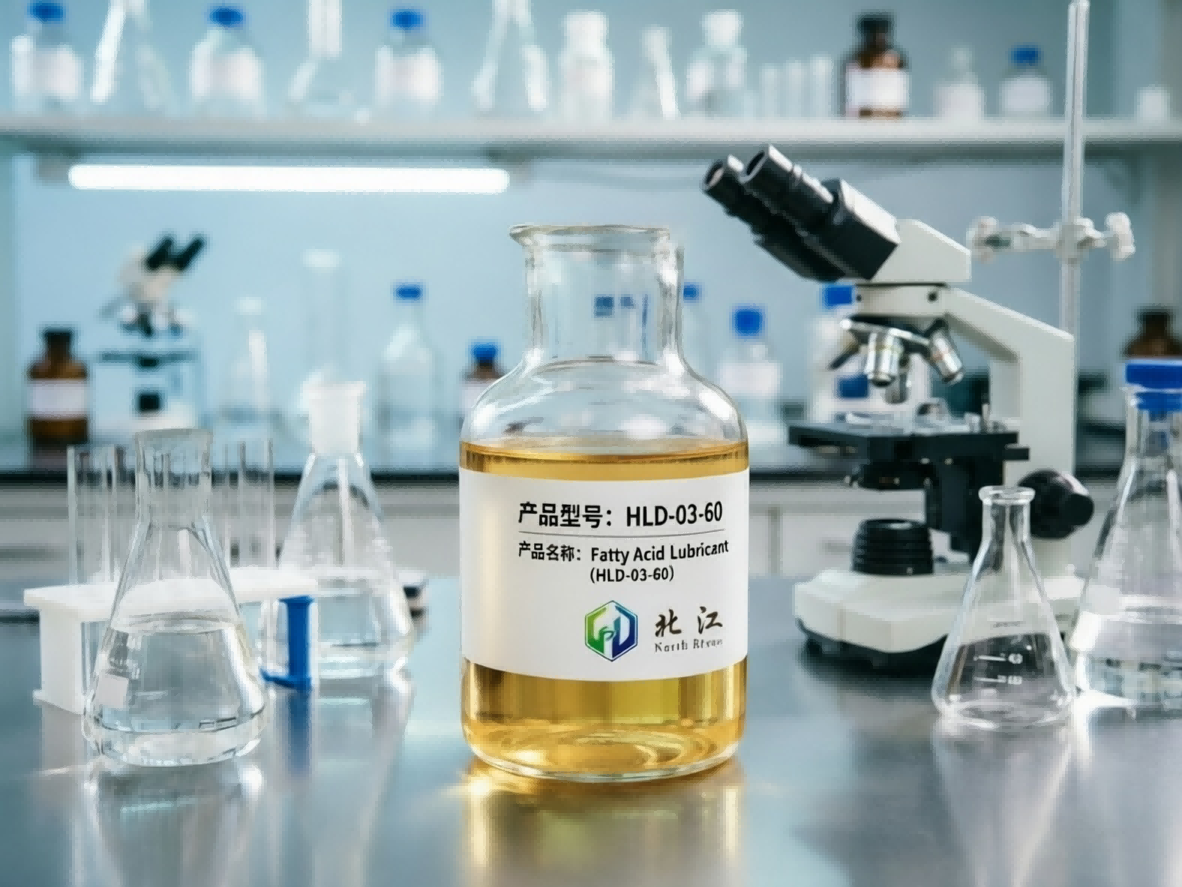
Commencing such analysis relating to Refined Vegetable Substance (ESO)
{Building concerns regarding mainstream compounds carry fueled our pursuit to find sound methods. Epoxidized soybean derivative (ESO) arises as a attractive alternative. Produced from a natural supply, ESO renders a considerable decrease in dependence on nonrenewable fuels and serves to a augmented renewable platform. Likewise, ESO offers exceptional stretchability and compatibility to multiple plastic substances, allowing it a appropriate selection for a broad spectrum of applications.
Odor-Reducing Medical Grade ESBO: Meeting Harsh Provisions
Current development of low-odor medical grade ESBOs represents a fundamental progress in patient care and ease. Traditional ESBOs often have noticeable odors, which can be concerning for both patients and clinicians. Our new formulation utilizes innovative technology to minimize odor generation, conforming to rigorous governing standards. These ESBOs are developed from top-tier materials and undergo thorough testing to ensure biocompatibility and paramount performance. Distinctly, this offering addresses the growing need for gentle procedures with a constructive patient experience.
- Grants exceptional odor control.
- Obeys necessary healthcare regulations.
- Designed for utmost patient satisfaction.
High Resistivity ESBO: Enhancing Electrical Properties in Plastics
The progressive procedure, Electrostatic Barrier Arrangement (ESBO), offers a viable means for enhancing the circuit features of multiple material elements. By carefully adjusting external voltage dispersion, ESBO generates significantly non-conductive membranes on the resin substrate, powerfully lowering combined transmissivity. Our consequences yield to superior circuit protection and chance for purposes in environments including adjustable devices and intense protection frameworks.Eco-Friendly Agent: ESBO's Role in Renewable Resin Operations
One accelerating demand for sustainable ingredients has stimulated scientists to study equivalents to conventional plasticizers. Showcasing ESBO (Epoxidized Soybean Oil), our plant-derived plasticizer produced from crop – taking crucial task in facilitating environmentally conscientious construction of multiple material deployments. The ability to boost suppleness and operation albeit minimizing climate consequence forms ESBO advantageous choice for biodegradable-polymer coverings and multiple elastomer goods.ESBO Performance: Comparing Grades and Applications
Evaluating this outcomes requires a intensive review at both exam classifications and the figure of submitted applications. Usually, a positive correlation appears between good scores and the probability of favorable proposals; however, variables such as individual's expertise and supplementary pursuits can likewise have a notable part.
Comprehending Epoxidized Soybean Oil (ESBO) and its Benefits
Epoxidized soya Oil (ESBO) is a modified form of crop oil, constructed through a chemical process that combines epoxy groups. These produces a epoxidized soybean oil hs code special plasticizer and stabilizer, widely used in the polymer industry. ESBO functions primarily as a equivalent for deleterious phthalate plasticizers, delivering a more clean solution. Explore the key benefits:- Enhances flexibility and durability of compounds
- Diminishes the use for perilous phthalates
- Offers excellent heat constancy
- Works as a defender against degradation
- Promotes a resource-efficient construction process
Clinical Equipment Manufacturing: Leveraging Low-Odor ESBO
Recent trends in health manufacturing are emphasizing a conversion toward resource-efficient processes. A vital component of this is the adoption of low-odor ESBO (Embossed, Stuccoed, Bonded, and Oven-cured) polymers. Traditional ESBO manufacturing can discharge noticeable fumes, posing a obstacle for staff health and overall facility circumstances. Low-odor ESBO solutions reduce these expulsions, generating a enhanced environment and potentially curbing the need for considerable ventilation.- Benefits include heightened air quality.
- Minimizes exposure to possibly detrimental VOCs.
- Aids compliance with harsh environmental protocols.
Boosting Plastic Durability: The Power of High Resistivity ESBO
Strengthen compounds' long-term functionality applying superior resistance Electronically Stabilized Biphenyl Olefin – ESBO. That novel approach considerably lowers degradation induced thanks to unfavorable influences, particularly beam radiation even dynamic compression. ESBO's special electromagnetic capabilities create the guarding function, bringing forth by prolonged working and/or better device strength.
ESBO: Upcoming Trends in Modifiers
Arising as a encouraging remedy to traditional, petroleum-based conditioners, ESBO (Ethyl Soyate-based Oligomers) is collecting considerable momentum within the plastics industry. Derived from the soybean, this bio-based substance offers a green profile and the chance to diminish the ecological effect of plasticized PVC and other markets. First assessments indicate notable capability comparable to typical plasticizers, suggesting ESBO could perform a major contribution in shaping the prospect of the modifier market.Finishing our examination.