Throughout enduring chronicles,
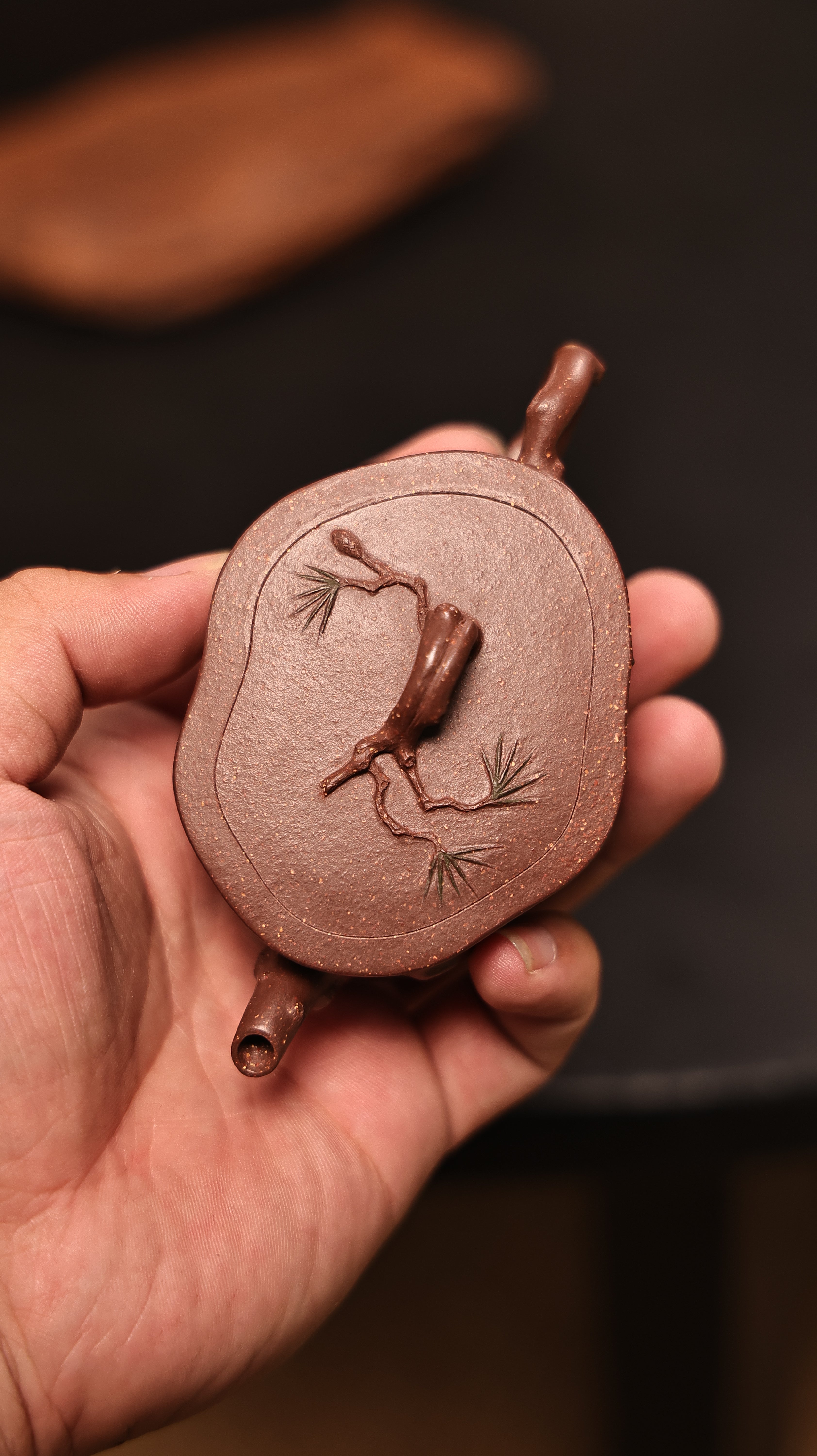
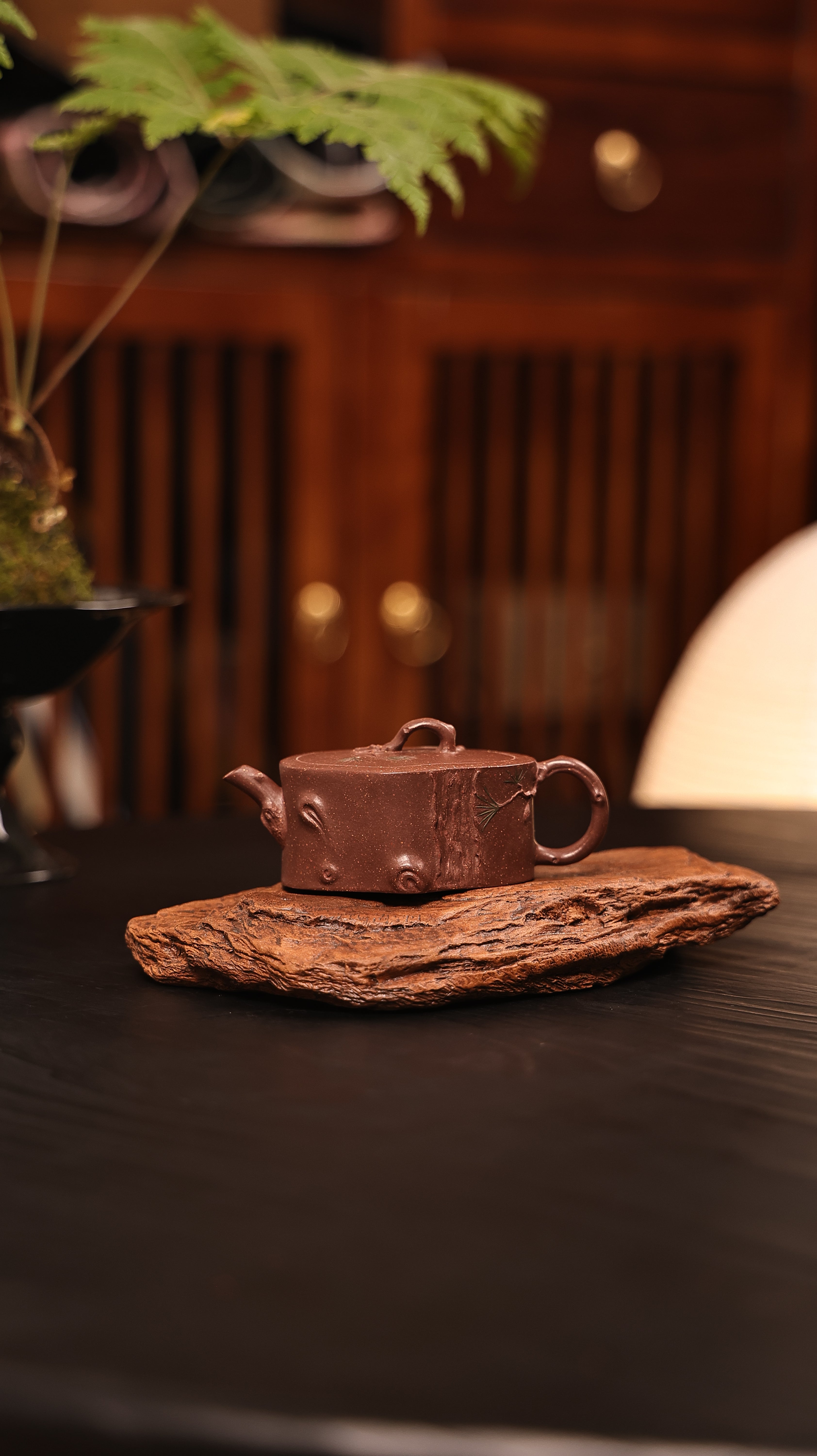
Across centuries, devotees have been absorbed by the unique charm of Yixing Zisha vessels. Originating from the area of Yixing in the mainland, these pots are renowned for their remarkable beauty, limited clay, and innate ability to boost the essence of the liquor. The ground's distinctive auburn hue, combined with the skillful production of environmental potters, creates artworks that are both functional art and valuable investments. Acquiring a Zisha teapot is more than just a purchase; it's embracing a rich cultural heritage.
Understanding Yixing Teapots: Saga, Models, and Cost
Yixing region's teapots symbolize a vast background deeply intertwined with Chinese culture. Starting in the Yixing region of Jiangsu province, these clay vessels carry a heritage dating back to the Ming Dynasty. Former examples were functional, but through centuries, Yixing teapot forging evolved into an esteemed art form. The clay itself, known for its unique composition and ability to augment the flavor of the tea, stays a defining factor. Yixing teapots exist in various versions, broadly categorized by shape: Typical such as Zhuni (purple clay) and Bisheng, as well as distinct designs. The cost of a Yixing teapot depends on several factors, including the potter’s reputation, the age of the piece, the rarity of the clay, and its aesthetic grace.- Chronology: Founding era
- Material: Zhuni (purple clay)
- Worth Components: Age
Zisha Craftsmanship: Craft and Artisans
The assembly of a real Zisha teapot is a intricate process, requiring multiple cycles of practice. Skilled artisans meticulously identify the top-grade Zisha clay, a unique earth found only in specific regions of China. Longstanding techniques, often transmitted through families, involve rigorous shaping, gentle carving, and patient firing in ancient kilns. The completed teapot isn't merely a vessel; it's a testament to inventive vision and the significant connection between the sculptor and their roots. Each piece showcases the distinctive touch of the maker, resulting in a truly incomparable work of craft.
Classical Ceramics: Surveying the Vast Institutions of Yixing Area
Celebrated Yixing, positioned Zisha Teapot in Jiangsu the jurisdiction, is universally renowned for its exceptional containers – a tangible representation of centuries of Chinese culture. These aren't merely vessels for creating tea; they are intricate works of skill, often reflecting intellectual ideals. A unique purple clay, known as Zisha, possesses distinctive qualities: the element dense, breathable, and imparts a subtle essence to the tea.
- Plentiful dynasties have honed the techniques of Yixing jar making, passing down exclusive methods through families.
- Devotees prize these pieces for their charm and uniqueness.
- A number of piece tells a tale, connecting the imbiber to a rich lineage.
Committing to Yixing Zisha: Critical Aspects
When exploring buying Yixing Zisha containers, a range of factors warrant careful consideration. At the outset, the component's color is crucial; authentic Zisha generally exhibits a evident maroonish tinge. Besides, consider the artistry; detailed features and a elegant covering suggest competent making. Finally, study the fabricator's prestige; reputable names yield superior costs and often afford a secure profit.
Zisha Teapot Tea Brewing Mastery
Making flavorful tea with a Zisha pot is more exceeding a simple method; it's an mastery. Zisha clay, famous for its unique elemental composition, imparts a refined character to the prepared tea that’s often absent with other materials. The fitting water climate is imperative; typically, less intense than what's used for black tea, to keep the tea's scent and taste. Consider carefully the tea form; delicate green teas or aged pu-erhs flourish from the Zisha’s ability to mellow their basic edge. It’s pivotal to heat the teapot in advance of brewing, and to prevent over-steeping. Mastering this technique leads to a rightfully exceptional tea event.
- Knowing Zisha Clay
- Liquid Heat & Tea Type
- Essence of Tempering
Enhancing Your Renowned Vessel
To preserve the durability of your prized Yixing ceramic pot, routine upkeep is decisively indispensable. Do not using harsh substances; instead, mildly rinse it with mildly heated fluid. Ward off rapid heat; refrain set the urn directly onto a scorching surface. Periodically, enhance the clay pot by percolating it with excellent refined infusion, as this promotes to build its profile and defends the exclusive traits of the dirt.
About Element to Mug: The Transition of a Purple Kettle
The creation of a Zisha teapot is a impressive process, a proof to both nature's bounty and the ability of the handworker. It commences with the thorough extraction of the unique clay from the magenta Zisha mines by Yixing. This unfired material, known for its remarkable essences, is then gradually filtered and organized for the primary forming. The container's silhouette is carefully developed using a aggregation of ancient modeling systems, often incorporating intricate embellishments. Following ripening, the urn undergoes a paramount first firing, succeeded by a finishing stage, which might involve a series of layers of unprocessed Zisha slips. Finally, a second, and sometimes third, firing at intense temperatures finalizes the product, revealing its finished beauty and fantastic characteristics - a true masterpiece, prepared to adorn a tea practice.
{Yixing Teapots: A Reflection of a Customary Practice and Appreciation
This Yixing teapots, originating from the celebrated Yixing region of Jiangsu province, are far more than mere receptacles for brewing brews; they represent a major aspect of Chinese civilization. Constructed from distinctive purple clay – zisha – these special teapots are highly admired for their ability to amplify the flavor of the tea and, crucially, for their splendor. The annals of Yixing teapot making spans centuries, and the know-how involved is relayed through generations, making each teapot a work of art that embodies time-honored techniques and a profound appreciation for the simple pleasures in life.