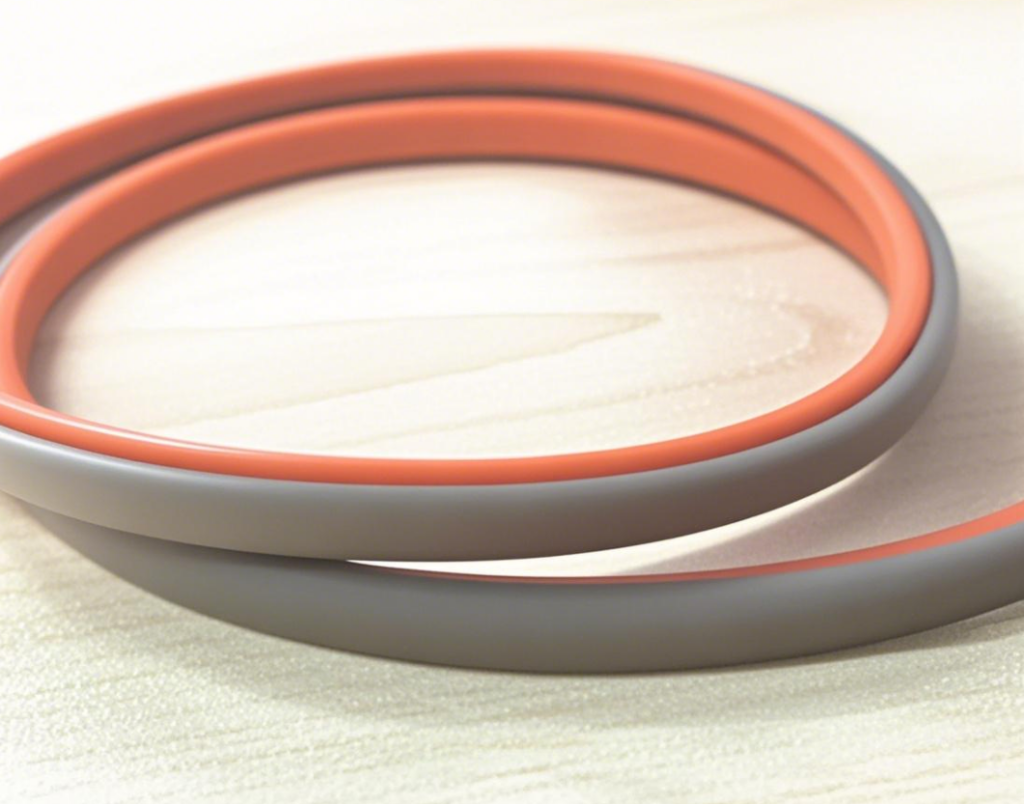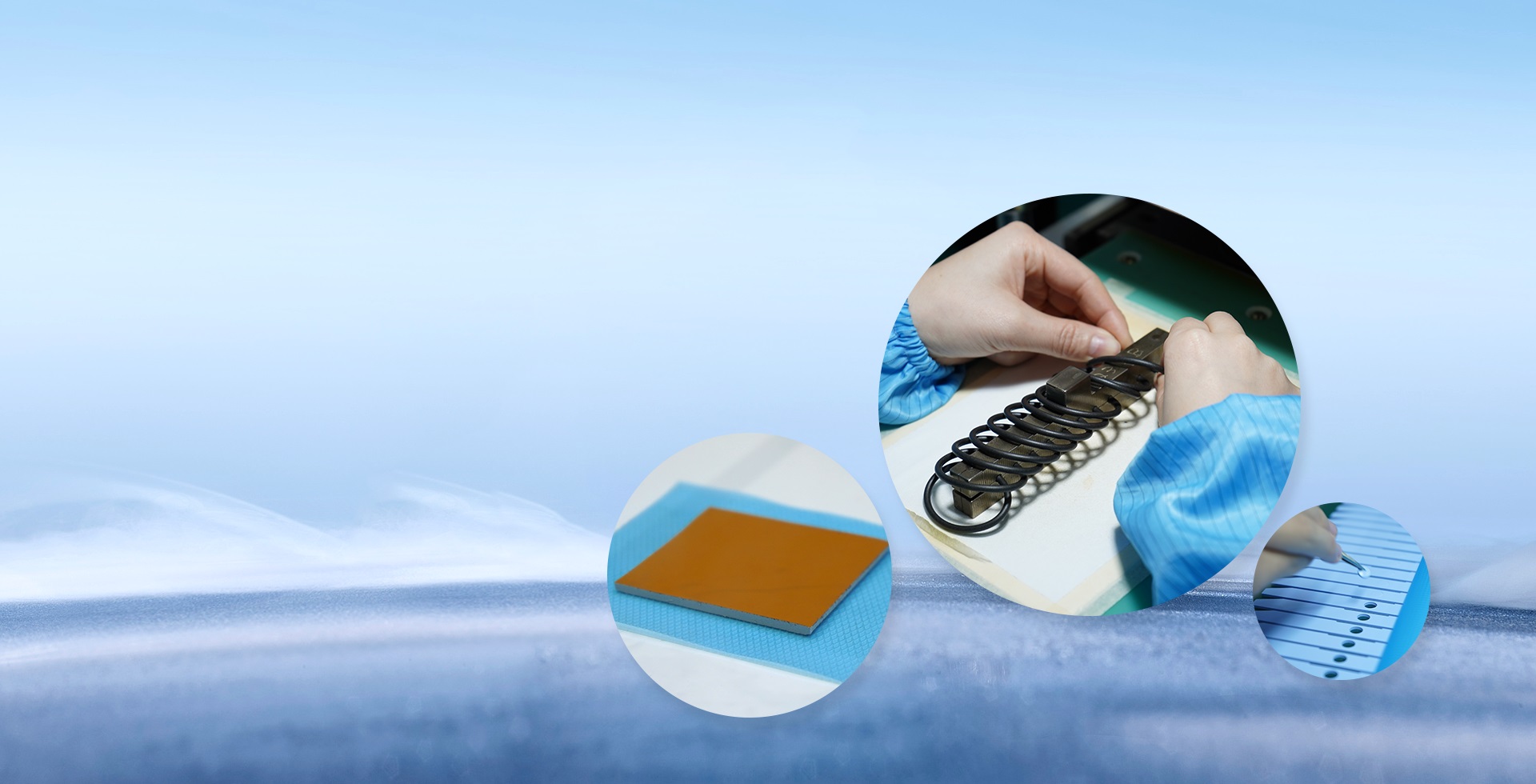
Embarking our exposition features insights into polymer silicone together with electroconductive silver-loaded elastomer pads with regard to radio frequency interference blocking.
Siloxane elastomer compounds are broadly utilized aimed at adaptable operations on account of their superior sturdiness and elemental resilience. Nonetheless, their basic weakness of current carriage constrains the functionality in particular engineering implementations.
The embedding of conductive submicron additives, especially silver-coated distributed within the silicone base, develops a synergistic Conductive SR effect producing an electrically active connection allowing for dynamic EMI attenuation.
Such procedures allow apparatuses to withstand problematic electromagnetic pollution.
Sealing Technological Components: Such Role of Siloxane and Conductive Barriers
Consistent protection of component devices is crucial in stringent applications. Silicone Compounds, with the remarkable compliance and chemical durability, furnishes excellent fluid cover strengths. Despite in scenarios requiring electroconductive operation, current conducting membranes, often manufactured from charge transporting compounds, is mandatory to limit electrical interference and guarantee dependable usage. This merge of Silicone together with charge transporting closures stands for a powerful approach in attaining sturdy capacity in progressive appliances.
Electronic Shielding Seals: Boosting Effectiveness via Electronically active Silver-infused Rubber coupled with silicone compound
{Consistent electronic electrical noise reduction components operate as indispensable for preserving sensitive circuit instrumentation and configurations from unwanted broadcast channelled noise. Advanced designs often use a mixture of conductive Silicone Elastomer and Silicone polymer to ensure optimal capability. Conductive SR provides remarkable electrical flow, providing a robust earthing for dissipating harmful signals. Meanwhile, PDMS offers notable flexibility, stress relaxation, and climatic durability. Careful material evaluation and structuring techniques, such as a fine layer of SR within a PDMS matrix, optimize both shielding success and prolonged durability.
- Evaluate several material assemblies depending on application demands
- Secure adequate concealment compression for reliable contact
- Inspect pads frequently to assure operation
The synergistic procedure leads in EMI closures that grant unparalleled protection and robustness.
Silicone elastomer Electron-conducting SR Pads: Safeguarding Electronics from Impacts
In the case of delicate instrumentation assemblies, electrical noise is prone to result in undesired effects, resulting towards failures besides information distortion. Polydimethylsiloxane current-carrying silicone rubber interfaces offer unique proven method utilizing providing unique reliable protection in regard to such noises. Comparable gaskets, frequently engineered using silicone compound matrix loaded with current-carrying additives, establish effective low electrical resistance channel towards base, dissipating radio frequency interference including radiation frequency disturbance radiation. A conformable structure allows reliable effective umbrella also upon nonuniform substrates, allowing them optimal within operations covering therapeutic tools, telecom infrastructure, plus different processing venues. Adopting state-of-the-art Silicone base electron transmitting SR gasket represents an preventive step for preserve device integrity and ensure operational consistency.
Tuning Hardware Piece Covering with Siloxane Elastomer-Based Signal Interference Blocking
Reliable digital part encapsulation presents a significant concern in advanced planning due to heightened signal interference. Silicone supports a distinctive method when combined with current-conducting components to develop reliable EMI reduction platforms. This approach not only boosts device productivity but also decreases a likelihood of decline arising from external electrical noise risks.
Electrical Conductivity SR Optimization in PDMS Interfaces for Better EMI Reduction
Cutting-edge seals fabricated from polydimethylsiloxane (PDMS), incorporating electronically conductive fillers, demonstrate significantly improved attenuation capabilities against electromagnetic interference (EMI). The joining of elements like carbon nanotubes or nickel grains provides a route for energy transmission conduction, thereby creating a more solid electromagnetic barrier. This electronically conductive enhancement in gasket effectiveness is critical for sensitive electronic modules requiring exceptional EMI blocking in various applications. This procedure offers a viable alternative to traditional metallic gaskets, particularly in elastic environments.
Identifying the Right EMI Suppression Gasket: PDMS vs. Conductive SR Varieties
Picking adequate EMI suppression membranes necessitates exhaustive assessment of diverse grounds. Often, electron-conducting Silicone Rubber (SR) has existed as a prevailing choice; however, Diallyl Silicone compound (PDM) appears as a realistic alternative, mainly where condensing dimensions are restricted or element harmony is necessary. PDMS supplies advanced softness and can manage closer thresholds, notwithstanding maintaining good blocking capability.
Next-generation Insulation Solutions: Silicone, Metallic Silver-infused rubber, and Electrical machinery Guarding
Next-generation barrier solutions are increasingly vital for preserving delicate digital circuits. silicone rubber, with its outstanding malleability and compound tolerance, delivers prime ambient shields. Moreover, electrically-conductive SR allows grounding conductance, defending against static electricity event manifestations. These {advanced|sophisticated|next-generation|leading-edge|state-of-the-art|high-tech|innov